- Home
- Ingredients
- Juniper Berry
Juniper Berry In GlycoAid
Not a berry at all but a cone, and the reason gin tastes the way it does.
Where Juniper Berry Comes From
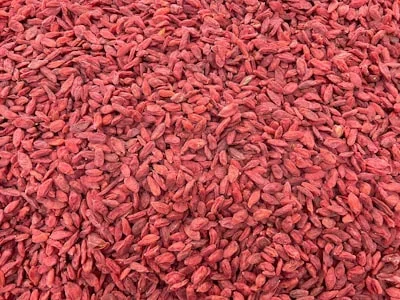
Juniper is a conifer, and what everyone calls a juniper berry is not a berry at all but a fleshy seed cone. It grows across the northern hemisphere in some of the least hospitable soil available. Its most famous use is as the defining botanical in gin, which takes its name from the Dutch word for juniper, and it has a long parallel history in northern European folk practice.
What Juniper Berry Is Doing In GlycoAid
Juniper contains volatile oils and a range of flavonoid polyphenols. Its traditional uses were mostly diuretic and digestive, and its inclusion in a blood sugar formula rests on traditional use and on general antioxidant contribution rather than on a specific glucose mechanism.
The Research Behind Juniper Berry
This is the thinnest evidence base on the panel and this site is not going to dress it up. There is laboratory work on juniper extracts and some animal data. Controlled human trials on glucose outcomes are essentially absent. What juniper has is centuries of traditional use, which is a genuine thing but not the same thing as clinical evidence.
What Dose The Studies Actually Used
There is no established supplemental dose because there is no body of human trials to derive one from. Traditional preparations were teas and tinctures rather than measured extracts.
How this relates to GlycoAid. The fourteen ingredients share one 500 mg blend weight and no individual figure is printed, so what any single name contributes cannot be read off the label. The descending order on the panel is the one real clue, and this site would rather explain that than pretend to a precision it does not have.
Juniper Berry: Cautions Worth Knowing
Juniper has a diuretic action, which matters for anyone already taking a diuretic or managing blood pressure. It should be avoided in pregnancy, where it has traditional use as a uterine stimulant, and prolonged high-dose use has historically been associated with kidney irritation. In a blend the amount is small; the cautions are still worth knowing.
What Juniper Berry Is Not
Juniper berries in gin and juniper extract in a supplement are not the same exposure at all. Nor are all junipers edible: several species in the genus are not, and foraging on the basis of a supplement label is a bad idea.
Finding Juniper Berry Outside A Capsule
Juniper berries are sold as a culinary spice and are traditional in game dishes, sauerkraut and northern European cooking generally. As a supplement there is no established dose to shop against, which is itself the honest summary of the evidence. If you are buying it, buy it as a spice and use it as one, and treat any product making specific glucose claims for it with scepticism.
Questions
Juniper Berry Questions
The ones that come up about this ingredient specifically.
Is there real evidence for juniper and blood sugar?
Not in humans. There is laboratory and animal work and a long record of traditional use, and this page says so plainly.
Why is it in the formula at all?
For its polyphenol contribution and its traditional standing. It is a background ingredient rather than a driver.
Is juniper safe?
In small amounts, generally. Avoid it in pregnancy and be careful alongside diuretics or with kidney concerns.
Is this what gin is flavoured with?
The same plant, yes. The quantities involved are entirely different.
Nearby
Related GlycoAid Ingredients
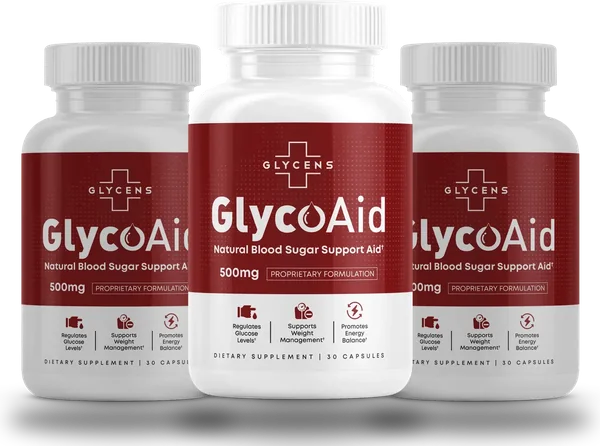
Start Your First Bottle Of GlycoAid
One capsule with a meal, a page here for every name on the label, and two months to send it back if it does nothing for you.
- One capsule a day, taken with food
- Fourteen ingredients, all named on the panel
- Free US delivery on the 3 and 6 bottle packs
- Sixty days to return it, opened bottles included