- Home
- Ingredients
- Goji Berry
Goji Berry In GlycoAid
The Ningxia berry that carries zeaxanthin in unusually large amounts.
Where Goji Berry Comes From
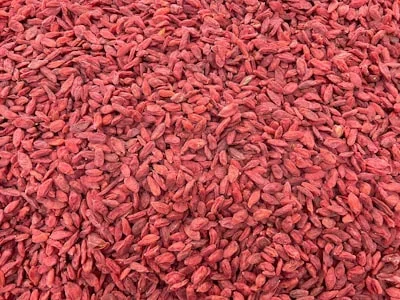
Goji berries, also called wolfberries, come from a shrub in the nightshade family grown principally in the Ningxia region of northern China, where cultivation has been organised around them for centuries. They are eaten dried, brewed as tea and cooked into soups, and they have been part of Chinese herbal practice for a very long time.
What Goji Berry Is Doing In GlycoAid
Goji berries carry an unusually high concentration of zeaxanthin, a carotenoid that concentrates in the retina, along with polysaccharides and a broad range of polyphenols. In this formula they contribute antioxidant intake rather than a glucose mechanism.
The Research Behind Goji Berry
The eye health research, particularly around zeaxanthin and macular pigment density, is the most developed part of the goji literature and is genuinely interesting. Evidence for blood glucose effects in humans is thin. There is laboratory work on the polysaccharides and a small number of human studies, and the honest summary is that goji is here for antioxidant contribution and not much more.
What Dose The Studies Actually Used
Traditional intakes are a small handful of dried berries daily. Trials have used various extract preparations at doses that do not translate neatly onto a blend label.
How this relates to GlycoAid. The fourteen ingredients share one 500 mg blend weight and no individual figure is printed, so what any single name contributes cannot be read off the label. The descending order on the panel is the one real clue, and this site would rather explain that than pretend to a precision it does not have.
Goji Berry: Cautions Worth Knowing
The one caution that genuinely matters is warfarin. There are documented case reports of raised INR — meaning thinner blood than intended — in people taking warfarin who added goji. Anyone anticoagulated should raise it before starting. As a nightshade, goji may also be worth avoiding for anyone with a known nightshade sensitivity.
What Goji Berry Is Not
Goji berries and mulberries and acai are separate plants that get grouped together by marketing rather than by botany. The superfruit category is a retail idea, not a scientific one, and it is worth reading past.
Finding Goji Berry Outside A Capsule
Dried goji berries are an ordinary food and a small handful is the traditional daily intake. They are sold in most supermarkets now, they keep well and they cost less than any capsule containing them. If you take warfarin, this is the ingredient on the panel to raise with your doctor, and that applies to the berries in your kitchen exactly as much as to the supplement.
Questions
Goji Berry Questions
The ones that come up about this ingredient specifically.
Does goji interact with warfarin?
There are documented case reports of raised INR. Anyone on warfarin or another anticoagulant should discuss it before starting.
What is zeaxanthin?
A carotenoid that concentrates in the retina. Goji berries are one of the richest dietary sources of it.
Does goji help blood sugar?
The human evidence for that specifically is thin. Its role in this formula is antioxidant contribution.
Can I just eat the berries?
Yes. Dried goji berries are a normal food and a handful is the traditional intake.
Nearby
Related GlycoAid Ingredients
Start Your First Bottle Of GlycoAid
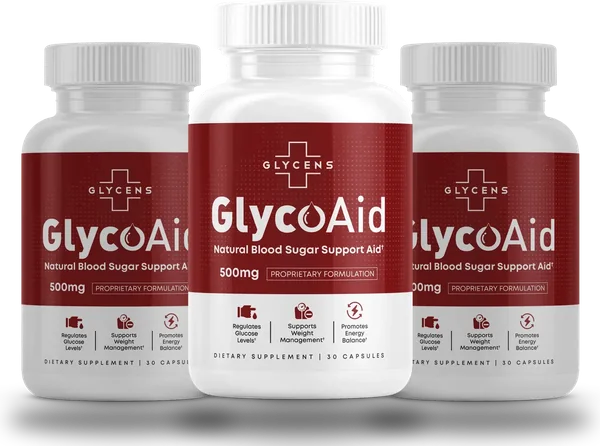
One capsule with a meal, a page here for every name on the label, and two months to send it back if it does nothing for you.
- One capsule a day, taken with food
- Fourteen ingredients, all named on the panel
- Free US delivery on the 3 and 6 bottle packs
- Sixty days to return it, opened bottles included