- Home
- Ingredients
- Chromium
Chromium In GlycoAid
An essential trace mineral with a published daily intake and a settled nutrition role.
Where Chromium Comes From
Chromium is a metal, and in one particular oxidation state it is an essential nutrient. Trivalent chromium, the form found in food and supplements, occurs in broccoli, grape juice, whole grains and brewer's yeast. It is a genuine trace element: the adequate intake for adults is measured in micrograms, which is a vanishingly small amount by weight.
What Chromium Is Doing In GlycoAid
Chromium appears to participate in the action of insulin at the cell surface, and it carries an authorised role in the normal metabolism of macronutrients — carbohydrate, fat and protein. That is a nutrition claim rather than a botanical one, which means it rests on the requirement being real rather than on a trial finding an effect.

The Research Behind Chromium
The nutrition side is settled and uncontroversial. The supplementation side is not. Trials of chromium supplementation for glucose control in people who are not deficient have produced results that reviews generally describe as inconsistent, and the NIH fact sheet is notably measured about it. Chromium does what nutrition does: it fills a requirement. Where the requirement is already met, filling it again achieves very little.
What Dose The Studies Actually Used
The adequate intake is around 25 to 35 micrograms a day for adults depending on age and sex. Trials have typically used 200 micrograms, sometimes more. Micrograms take up almost no room by weight, which is why chromium sits comfortably in a formula like this and is declared separately with a percent daily value.
How this relates to GlycoAid. The fourteen ingredients share one 500 mg blend weight and no individual figure is printed, so what any single name contributes cannot be read off the label. The descending order on the panel is the one real clue, and this site would rather explain that than pretend to a precision it does not have.
Chromium: Cautions Worth Knowing
Trivalent chromium from food and supplements is considered safe at ordinary intakes and has no established upper limit, precisely because toxicity has not been observed at dietary levels. Hexavalent chromium, the industrial form, is an entirely different and genuinely toxic substance that has nothing to do with any supplement.
What Chromium Is Not
Chromium picolinate, chromium polynicotinate and chromium chloride are different salts, and they differ in how well the chromium is absorbed. Picolinate is the most common in supplements and is generally better absorbed than the chloride. None of this has anything to do with the industrial hexavalent form that turns up in environmental news stories.
Finding Chromium Outside A Capsule
Broccoli is the standout dietary source, followed by whole grains, grape juice, meat and brewer's yeast. Because the requirement is measured in micrograms, an ordinary varied diet meets it without effort. On a label the form matters more than the figure: chromium picolinate is better absorbed than chromium chloride, and picolinate is what most trials and most products use.
Questions
Chromium Questions
The ones that come up about this ingredient specifically.
Is chromium safe?
Trivalent chromium, the food and supplement form, is considered safe at ordinary intakes. The toxic form is hexavalent chromium, an industrial compound not used in supplements.
How much chromium do I need?
The adequate intake is roughly 25 to 35 micrograms a day for adults. Trials have often used around 200 micrograms.
Does chromium help blood sugar?
It has an authorised role in normal macronutrient metabolism. Trials of supplementation in people who are not deficient have been inconsistent, and this site does not overstate it.
Am I likely to be deficient?
Frank deficiency is rare on a varied diet. Intakes are lower on a diet built mostly around refined foods.
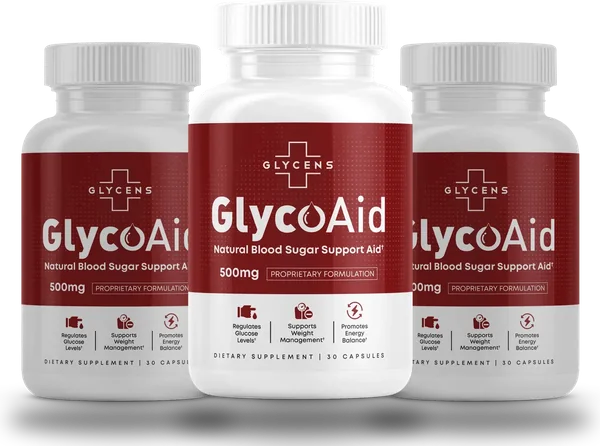
Start Your First Bottle Of GlycoAid
One capsule with a meal, a page here for every name on the label, and two months to send it back if it does nothing for you.
- One capsule a day, taken with food
- Fourteen ingredients, all named on the panel
- Free US delivery on the 3 and 6 bottle packs
- Sixty days to return it, opened bottles included