- Home
- Ingredients
- Cinnamon Bark
Cinnamon Bark In GlycoAid
The spice rack ingredient with the longest run of human research behind it.
Where Cinnamon Bark Comes From
Cinnamon is the inner bark of a tree, peeled, dried and curled into quills as it dries. Two species dominate the world market: Ceylon cinnamon from Sri Lanka, and cassia, which is what the overwhelming majority of cinnamon sold anywhere actually is. They look similar, they smell similar, and one of them carries a compound worth knowing about.
What Cinnamon Bark Is Doing In GlycoAid
Cinnamon works mostly in the gut rather than the bloodstream. It has been shown in small human studies to slow gastric emptying, which changes the shape of the post-meal glucose curve without changing how much glucose eventually arrives. Compounds in the bark also appear to influence insulin receptor signalling, although that work is largely laboratory-based rather than clinical.
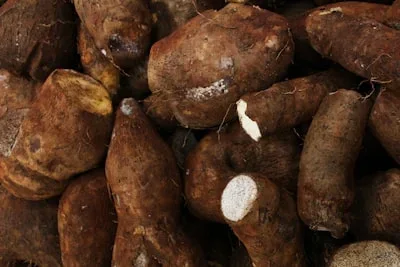
The Research Behind Cinnamon Bark
Cinnamon has a longer run of human research behind it than almost any other spice, and the results are genuinely mixed. Several meta-analyses find modest reductions in fasting glucose and several find nothing statistically convincing. A large part of that inconsistency traces back to trials using different species, different doses and different extract standards while all calling the ingredient cinnamon.
What Dose The Studies Actually Used
Trials have used anywhere from 1 g to 6 g of cinnamon powder a day, which is a very wide range and a large amount by the standards of a capsule. The upper end of that is roughly a teaspoon and a half of ground spice.
How this relates to GlycoAid. The fourteen ingredients share one 500 mg blend weight and no individual figure is printed, so what any single name contributes cannot be read off the label. The descending order on the panel is the one real clue, and this site would rather explain that than pretend to a precision it does not have.
Cinnamon Bark: Cautions Worth Knowing
This is the one genuine safety point about cinnamon and it applies to cassia rather than Ceylon. Cassia contains coumarin, a compound that can stress the liver at sustained high intake, and European food safety authorities publish a tolerable daily intake figure for exactly that reason. In a blend the quantity is small. In someone eating cassia by the spoonful daily on top of a supplement, it is worth being aware of.
What Cinnamon Bark Is Not
Cinnamon is not the same thing as cinnamon flavouring, and cassia is not the same thing as Ceylon. If you buy loose cinnamon in a supermarket anywhere outside Sri Lanka, you are almost certainly buying cassia. The distinction matters more than the marketing suggests, and the difference is covered in the article on the two species.
Finding Cinnamon Bark Outside A Capsule
Cinnamon is the one ingredient on this panel already in most kitchens. A teaspoon on porridge, in coffee or through a curry is a perfectly reasonable daily habit and costs almost nothing. If you are buying it deliberately for daily use rather than for cooking, buy Ceylon and buy quills rather than powder, because quills are the only form you can tell apart by eye.
Questions
Cinnamon Bark Questions
The ones that come up about this ingredient specifically.
Which cinnamon is in GlycoAid?
The label says cinnamon bark without naming the species, which is standard practice. Cassia is far more common commercially than Ceylon.
How much cinnamon would I need for an effect?
Trials have used 1 g to 6 g daily. A shared blend contains considerably less than that, and this site does not claim otherwise.
Is cinnamon dangerous?
As a spice, no. The coumarin content of cassia is the only real point, and it matters at sustained high intake rather than at culinary or blend amounts.
Can I just eat cinnamon instead?
You can, and plenty of people do. A teaspoon on porridge is a perfectly reasonable habit and considerably cheaper than any capsule.
Nearby
Related GlycoAid Ingredients
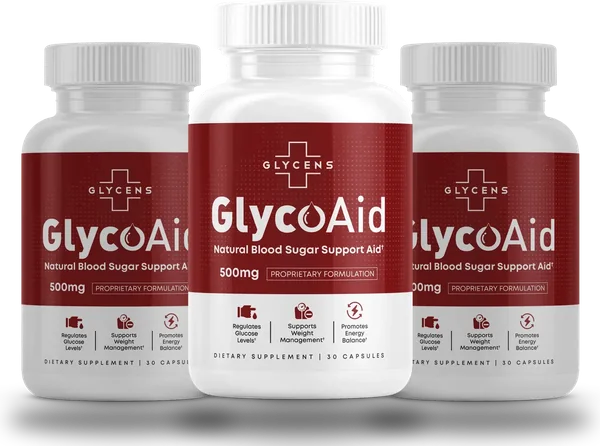
Start Your First Bottle Of GlycoAid
One capsule with a meal, a page here for every name on the label, and two months to send it back if it does nothing for you.
- One capsule a day, taken with food
- Fourteen ingredients, all named on the panel
- Free US delivery on the 3 and 6 bottle packs
- Sixty days to return it, opened bottles included