The System Doing Exactly What It Evolved To Do
A stress response is a preparation for physical effort. Adrenaline arrives within seconds and cortisol builds over minutes, and between them they mobilise stored fuel: the liver releases glucose, fat cells release fatty acids, and both are pushed into the bloodstream so that muscle can use them.
If the stressor were a physical emergency, that fuel would be spent within minutes and the system would settle. The modern version is a difficult email, and the fuel stays where it was put.
Acute Versus Chronic
| Acute stress | Chronic stress | |
|---|---|---|
| Timescale | Seconds to an hour | Weeks to years |
| Main hormone | Adrenaline | Cortisol |
| Glucose effect | Sharp rise, resolves | Persistently raised, plus reduced insulin sensitivity |
| Appetite | Usually suppressed | Usually increased, skewed towards carbohydrate |
| Sleep | Rarely affected | Frequently damaged, which compounds everything |
The chronic column is the one that matters for anyone tracking numbers over months, and it overlaps heavily with the sleep article, because chronic stress and poor sleep are usually the same problem wearing two hats.
What Has Measurable Effects
- Aerobic exercise. The most reliable single intervention, and it also spends the fuel the stress response mobilised.
- Slow breathing. Extending the exhale relative to the inhale shifts autonomic balance within a couple of minutes. It is free and it works while you are sitting down.
- Daylight and being outdoors. Modest effects, well replicated, and it stacks with the walk after a meal.
- Protecting sleep. The single highest-leverage item on the list.
- Talking to someone. Underrated, and outside the scope of a supplement website, which is precisely why it gets a line here.
If stress has moved past the point where the items above touch it, that is a conversation for a doctor rather than a supplement. Nothing on this site is medical advice, and persistent stress that is affecting sleep, appetite or mood deserves proper attention.
What A Supplement Can And Cannot Do Here
GlycoAid is formulated to support blood sugar already in a healthy range. It is not an adaptogen, it is not a stress product, and it will not lower cortisol. The one ingredient with any traditional standing in this territory is Maca Root, which has a reputation for stamina and mood rather than for glucose, and that page is honest about how thin the human evidence for it is.
The reason stress belongs on a blood sugar website at all is simpler: if you are trying to judge whether anything is working, an unusually stressful month is a variable large enough to hide a modest effect completely.
Questions
Questions On This Article
Does stress really raise blood sugar?
Yes, and by design. Cortisol and adrenaline mobilise stored fuel into the bloodstream as preparation for physical effort.
Why do I crave sugar when stressed?
Chronic cortisol elevation increases appetite and skews it towards fast carbohydrate. It is a hormonal push rather than a failure of willpower.
What helps fastest?
Slow breathing with a long exhale shifts autonomic balance within minutes. Aerobic exercise is the most reliable over weeks.
Can a supplement reduce stress-related glucose rises?
Not meaningfully, and GlycoAid does not claim to. It is formulated for blood sugar support, not for stress.
Next
More From The Journal
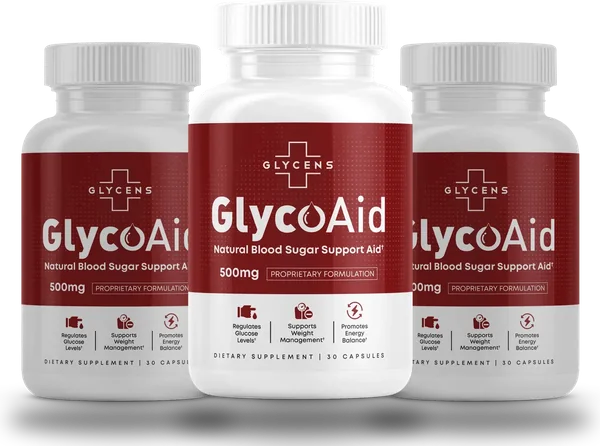
Start Your First Bottle Of GlycoAid
One capsule with a meal, a page here for every name on the label, and two months to send it back if it does nothing for you.
- One capsule a day, taken with food
- Fourteen ingredients, all named on the panel
- Free US delivery on the 3 and 6 bottle packs
- Sixty days to return it, opened bottles included