Three Things That Degrade A Capsule
- Heat. Chemical degradation roughly accelerates with temperature. A bottle that spends summer in a car is not the bottle you bought.
- Humidity. The main enemy of a powder-filled capsule. Moisture makes powder clump, softens gelatin and cellulose shells, and gives mould something to work with.
- Light. Ultraviolet light breaks down a range of plant compounds, which is why supplement bottles are usually opaque rather than clear.
Why The Bathroom Is The Wrong Room
A bathroom cabinet manages two of those three several times a day. A shower raises both temperature and humidity sharply, and the cabinet does not seal against either. It is the single most common storage mistake and it is close to universal, presumably because that is where the medicines already are.
Where to put it instead. A kitchen cupboard away from the kettle, the hob and the window. A bedroom drawer. Anywhere cool, dry, dark and boring. If you need the bottle in sight to remember it, a shelf out of direct sun beats a windowsill.
Things Worth Doing
- Leave the desiccant sachet in. It is there to absorb moisture, it is not packaging, and throwing it out actively shortens the life of the bottle.
- Close the lid properly. Most supplement bottles have an induction seal and a screw cap for a reason.
- Do not decant into a pill organiser for a month. A week is fine. A month exposes every capsule to air and humidity for the whole period.
- Do not refrigerate. Counter-intuitive but correct: taking a cold bottle out into a warm room condenses moisture inside it.
What An Expiry Date Actually Means
On a supplement it is a best-before rather than a use-by. It is the manufacturer’s estimate of how long the contents remain at the declared potency under proper storage. Past it, the usual outcome is a gradual loss of potency rather than anything harmful.
The important half of that sentence is under proper storage. A bottle kept in a hot bathroom for a year may be well short of its label before the date on it arrives.
When To Throw A Bottle Out
- The smell has changed noticeably.
- Capsules are stuck together, soft, or discoloured.
- There is visible moisture or anything growing inside.
- It has been open considerably longer than a year.
- It spent a summer somewhere hot.
Why This Matters For A Blend Like GlycoAid
A formula built on botanical extracts has more to lose from poor storage than a simple vitamin tablet does. Plant compounds are generally less stable than isolated nutrients, and the ones with antioxidant activity — Alpha-Lipoic Acid among them — are by definition reactive molecules.
This is also one of the practical arguments against buying supplements from marketplace resellers: the storage history of that bottle is completely unknown to you, and heat leaves no visible trace. It is covered on the price page alongside the guarantee point.
Questions
Questions On This Article
Do supplements expire?
They carry a best-before date reflecting how long the contents stay at declared potency under proper storage. Loss of potency rather than harm is the usual outcome past it.
Is the bathroom really that bad?
It is the worst common option. A shower raises temperature and humidity sharply, several times a day, and a cabinet does not seal against either.
Should I keep the little sachet?
Yes. The desiccant absorbs moisture and leaving it in the bottle genuinely helps.
Can I refrigerate supplements?
Generally no. Moving a cold bottle into a warm room condenses moisture inside it, which is the thing you were trying to avoid.
Next
More From The Journal
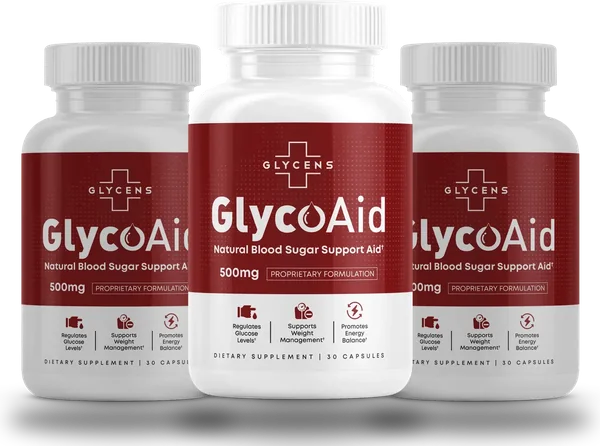
Start Your First Bottle Of GlycoAid
One capsule with a meal, a page here for every name on the label, and two months to send it back if it does nothing for you.
- One capsule a day, taken with food
- Fourteen ingredients, all named on the panel
- Free US delivery on the 3 and 6 bottle packs
- Sixty days to return it, opened bottles included